Explore Essential Tree Service Practices for Ideal Tree Well-being
Understanding tree care is essential for ensuring ecological wellness. Crucial methods including mulching and trimming are vital factors in enhancing tree health. In addition, the right way to water are essential for new root growth. Yet, most people miss the signs of tree diseases and the value of professional arborists. Looking into these areas can lead to a deeper appreciation for trees and their care. What steps can one take to make sure their trees flourish?
Grasping the Value of Healthy Trees
Recognizing the value of healthy trees is vital, as trees are instrumental in preserving the ecosystem's equilibrium and enhancing urban environments. Vibrant trees help improve the quality of the air, similar resource offer cooling shade, and provide refuge for nature. Trees also assist in reducing climate change by capturing carbon, which makes them vital for long-term ecological health.
In urban settings, healthy urban trees look better, raise the value of homes, and support public welfare. Having trees can lessen city heating in cities, which saves money on energy.
Ignoring tree maintenance, conversely, can result in disease, insect problems, and unstable limbs, creating dangers to the trees and nearby structures alike. Therefore, recognizing the indicators of tree health, such as leaf coloration, how the tree is growing, and the tree's outer layer, is critical for effective management. In the end, promoting tree health supports not only individual landscapes but also the broader ecosystem, emphasizing the need for proactive care and management practices.
Essential Pruning Techniques
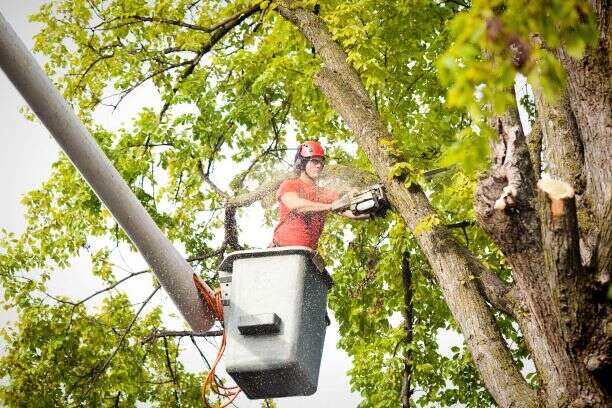
Pruning is an important practice in tree care that guarantees ideal growth and health, as it removes dead or diseased branches and enhances air flow within the canopy. Employing proper techniques ensures the trees can grow well in their setting.
One fundamental technique is "thinning," which involves selectively removing branches to enhance light penetration and lessen the load on fragile branches. 'Heading cuts' is one technique, where the ends of branches are snipped to encourage thicker growth, especially in young trees. Additionally, the 'crown reduction' method decreases the size and reach of a tree while preserving its inherent form.
Proper timing is crucial; trimming when the tree is resting minimizes stress and optimizes healing. Pruning implements must be sharp and sterile to avoid damage and the spread of pathogens. Knowing these essential trimming methods is vital for every arborist focused on preserving healthy and beautiful trees.
Identifying Common Tree Diseases
How can tree owners recognize the signs of common diseases that threaten their trees? Knowing the particular signs is essential for early detection and action. Typical signs involve leaves that are yellowing or drooping, suggesting potential fungal issues or nutrient deficiencies. Strange developments, like cankers or galls, often point to pests or pathogens that compromise tree health. Additionally, bark shedding or sticky sap may indicate infections that need prompt care.
Arborists should look for alterations in the tree's form, such as branches dying or leaves falling, which might indicate a serious problem beneath the surface. Monitoring for signs of insect infestations, such as holes in the bark or frass, is equally important. By staying watchful and taking action, owners are able to spot these frequent ailments and seek appropriate remedies, ensuring their trees remain healthy and vibrant throughout the seasons.
The Role of Mulching in Tree Care
Mulching serves as an important practice in tree care, offering numerous benefits that foster robust growth and hardiness. It involves applying a layer of organic or inorganic material at the tree's base, which helps retain soil moisture, keeping weeds down, and regulate soil temperature. The mulch covering not only reduces competition from unwanted vegetation but also improves the look of the landscape.
Moreover, organic mulches, such as wood chips or bark, decompose over time, providing essential nourishment and bettering its texture. This continuous action aids in root growth and creates a more robust setting for the growing tree. Additionally, mulching can prevent the erosion of soil, which helps maintain the stability of the tree’s foundation. When applied correctly mulch should be spread in a circular pattern, keeping it away with the trunk to avoid rotting. In conclusion, making mulching a part into tree care routines greatly supports to the sustained well-being of trees.
Effective Watering Techniques for Trees
Effective tree care requires more than just mulching but also appropriate watering techniques to promote the best growth and health. Trees, especially those recently planted, need consistent moisture to establish strong root systems. Deep watering is essential, as it promotes roots to descend where moisture is more stable. Ideally, trees should receive about an inch of water per week, either via rain or extra irrigation.
Watering should be done early in the morning to cut down on evaporation and disease caused by fungi. It is important to avoid overwatering, which often causes root decay and further problems. The soil should be checked for moisture before watering; if the top two inches are dry, it is time to provide water. Moreover, utilizing drip irrigation or drip irrigation offers a slow, constant flow of water, ensuring that trees receive adequate hydration without the risk of runoff. Proper watering practices greatly contribute to the overall health of trees.
Hiring Professional Tree Services: Reasons and Necessity
In evaluating the health and aesthetics of a property, engaging expert tree care may prove essential for homeowners with complicated tree maintenance requirements. Trained arborists hold the expertise to determine tree vitality, identify diseases, and execute beneficial procedures. Arborists are also aware of local regulations concerning tree removal and maintenance, ensuring adherence and avoiding potential fines
(Stillwater Tree Service)It is wise for homeowners to engage professionals when dealing with mature trees, particularly those near structures or power lines, as mishandling creates safety hazards. Furthermore, trees requiring pruning for looks or well-being profit from the expertise of trained specialists who can execute precise cuts to promote growth
Seasonal tasks, such as preparing for storms and post-storm tidying, need professional assistance to keep the property safe and appearance. As a result, hiring certified arborists ensures optimal tree maintenance, thereby enhancing the entire outdoor space and home valuation
Frequently Asked Questions
How Do I Know if My Tree Is Receiving Too Much Water?
Overwatering often leads to yellowing leaves, drooping even when the ground is wet, decaying roots, and excessive leaf drop. Furthermore, the presence of fungal growth at the tree's base often suggests slow soil percolation and waterlogged conditions.
When Should I Schedule for Tree Pruning?
The best time for tree pruning is usually between late winter and the start of spring prior to bud break - Stillwater Tree Service. Pruning at this time encourages vigorous development and lessens the impact on the plant, allowing for effective healing and development
Can Trees Recover From Severe Storm Damage?
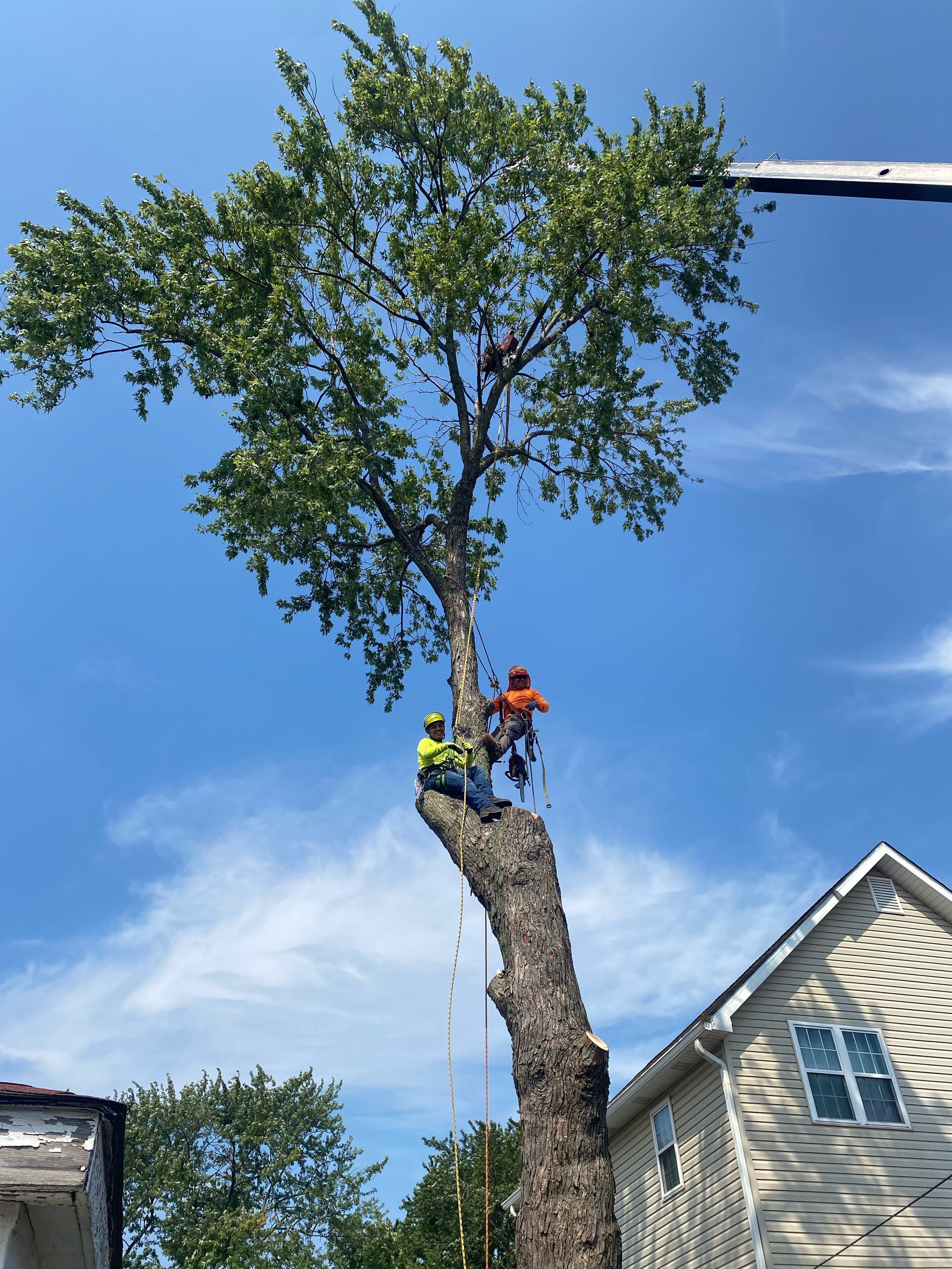
Yes, trees can recover from severe storm damage. If maintained correctly, including the removal of injured parts and providing adequate water and nutrients, a lot of trees can become healthy again and flourish once more after experiencing significant stress.
How Do I Choose the Right Mulch for My Trees?
In order to pick the best mulch, look for natural materials for example, bark nuggets or wood shavings, guarantee proper depth of 2-4 inches, and keep mulch away from the tree collar to safeguard against rot.
Do Certain Tree Species Need More Attention Than Others?
Specific varieties, such as fruit trees and newly planted specimens, demand more care owing to their vulnerability to weather fluctuations and specialized fertilization demands. Consistent observation and customized care routines are crucial for their well-being and flourishing.